India activist Sonam Wangchuk ends hunger strike as protests spread
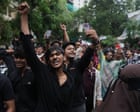
Indian activist Sonam Wangchuk ended a 26-day hunger strike amid concerns about possible violence, as protests spread across India over an exam paper scandal. The movement, led largely by youth, has escalated into widespread demonstrations against Prime Minister Narendra Modi's government. Supporters have called for a nationwide day of protest on Friday. The controversy began with allegations of irregularities in a state-level exam, sparking anger over corruption and government accountability. Wangchuk, known for his environmental and social activism, had been on hunger strike to demand a fair investigation. The protests have drawn comparisons to previous youth-led movements in India, highlighting growing discontent with the current administration.
Global Impact
Politically, the protests challenge the Modi government's authority and could lead to policy concessions or a crackdown, affecting India's domestic stability and international image. Economically, prolonged unrest may deter foreign investment and disrupt supply chains, particularly in sectors reliant on a stable labor environment.
Why this score
Neat Digest rated this story 3.9/10 — Standard tier.
Standard tier: a significant protest movement in a major country with potential political and economic spillovers, but contained to one nation and not yet at the scale of a regime change or systemic crisis.
Source bias
Political lean of the 1 rated outlet covering this story: Left 1.
Sources on this story
Reported by 1 sources, including:
- The Guardian