Iran Shifts Official Rhetoric from Proportional Response to Revenge
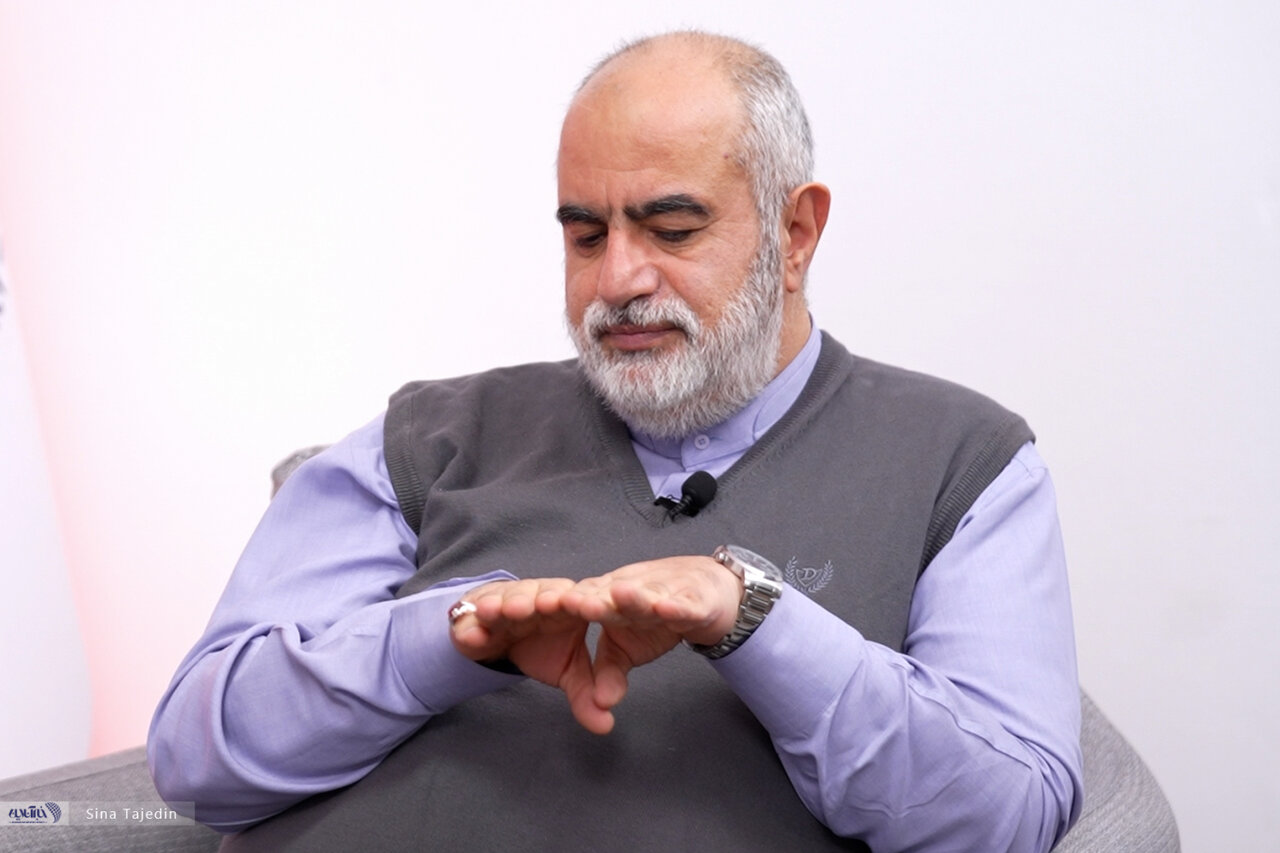
In recent days, the term 'revenge' has shifted from a marginal expression to a central element of official discourse and collective rituals in Iran. Following a message from the Supreme Leader on July 11, revenge was described as 'the will of the nation' and an inevitable act. The secretariat of the Supreme National Security Council characterized the slogans at gatherings as a demand for revenge. This escalation in rhetoric comes amid heightened tensions following the assassination of a Hamas leader in Tehran, for which Iran has blamed Israel. The language signals a potential shift toward a more aggressive posture, though the exact nature and timing of any response remain unspecified. The framing of revenge as a national duty could influence domestic mobilization and foreign policy calculations.
Global Impact
Politically, this escalation in rhetoric risks drawing the US and its allies into a broader Middle Eastern conflict, as Washington has pledged to defend Israel. Economically, a direct Iran-Israel war would disrupt global oil supply, potentially pushing Brent crude above $100 per barrel and triggering a risk-off move in emerging markets.