Strait of Hormuz Blocked, Oil Prices Rise: How Africa Attempts to Withstand the Oil Shock
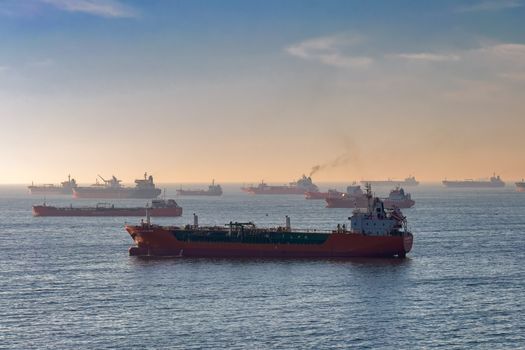
The Strait of Hormuz, a critical chokepoint for global oil transit, has been blocked, causing a sharp spike in oil prices. This event threatens African economies, which are heavily reliant on oil imports, by potentially reigniting inflation and worsening budget deficits. The blockade disrupts approximately 20% of the world's petroleum supply, sending shockwaves through energy markets. African nations, particularly those with fragile fiscal positions, face immediate pressure on their currencies and trade balances. No official statements from key stakeholders have been reported yet, but the situation is rapidly evolving.
Global Impact
Economically, the blockade triggers a global oil supply shock, raising prices and stoking inflation worldwide, with the most severe effects on net oil-importing developing nations. Politically, it may accelerate diplomatic efforts to secure alternative energy routes or de-escalate tensions in the Middle East.