Lenacapavir HIV Prevention Injection Shows Promise, Communication Key to Impact
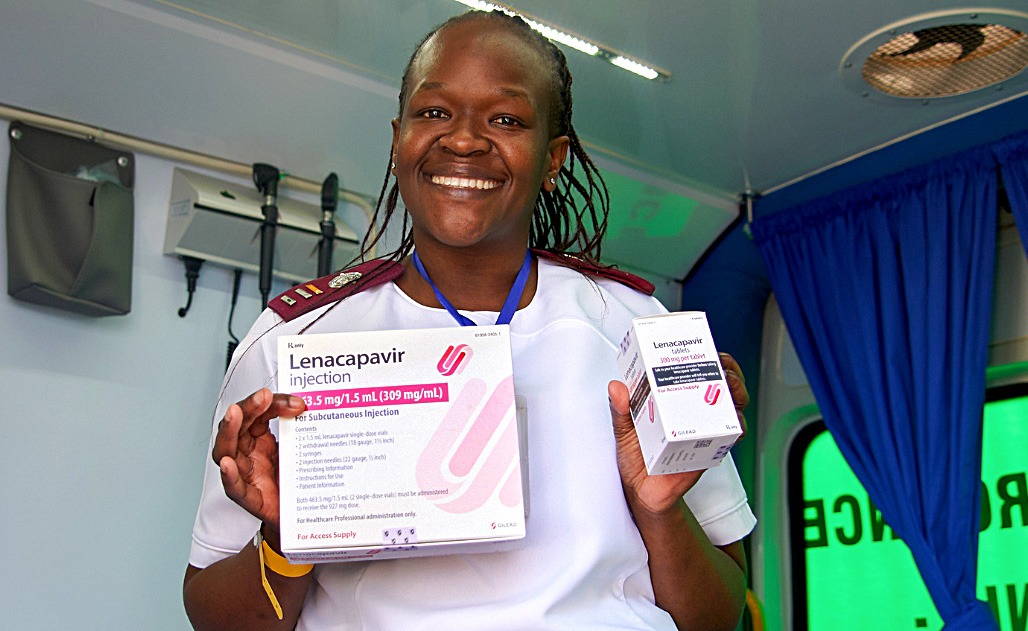
Lenacapavir, a new injectable HIV prevention drug, shows extraordinary promise in clinical trials as a long-acting pre-exposure prophylaxis (PrEP) option. The treatment, administered twice yearly, could significantly reduce HIV transmission rates, particularly in high-burden regions such as sub-Saharan Africa. However, experts warn that its real-world impact depends on effective communication strategies to ensure uptake among at-risk communities. Clear, accessible messaging in local languages and through trusted community channels is essential to overcome stigma, misinformation, and logistical barriers. The drug's manufacturer, Gilead Sciences, faces the challenge of pricing and distribution to make it accessible in low- and middle-income countries. Without parallel investment in community engagement and health system readiness, the scientific breakthrough may fail to translate into population-level reductions in new infections.
Global Impact
Economically, lenacapavir could lower HIV-related healthcare expenditures in high-burden countries by reducing new infections and associated treatment costs. Politically, its rollout will test global health governance and intellectual property frameworks, as access negotiations between Gilead and generic manufacturers will determine affordability.