Microplastics Research Hampered by Unreliable Detection Methods
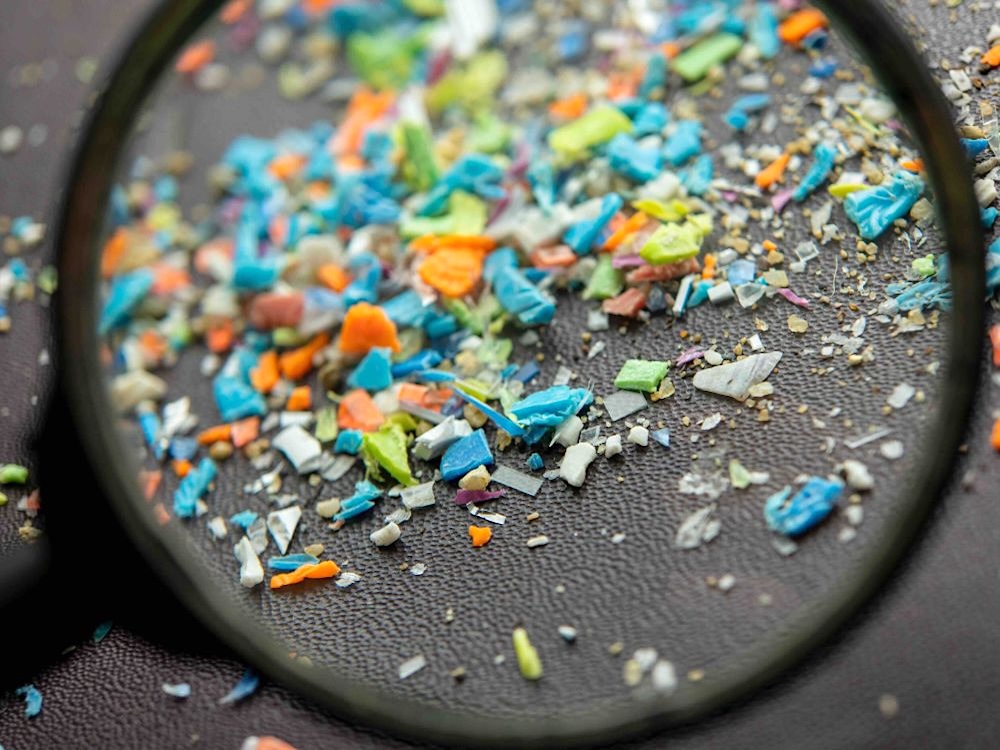
The article discusses the challenges in accurately measuring microplastics in the human body, highlighting unreliable methods that have clouded scientific understanding. Researcher Cassandra Rauert changed her lab to obtain better data, as current techniques often produce inconsistent results. The piece is based on an interview and focuses on the need for standardized detection methods to assess health risks. Microplastics are pervasive in the environment, found in water, food, and air, and their accumulation in human tissues raises concerns about long-term effects. The scientific community is working to improve data quality to inform public health guidelines.
Global Impact
The microplastics issue has broad implications for environmental health and regulatory frameworks. Economically, industries reliant on plastics—packaging, textiles, and consumer goods—face potential compliance costs and market shifts as governments consider stricter limits.