Rising Acid Levels in Arctic Rivers Linked to Permafrost Thaw
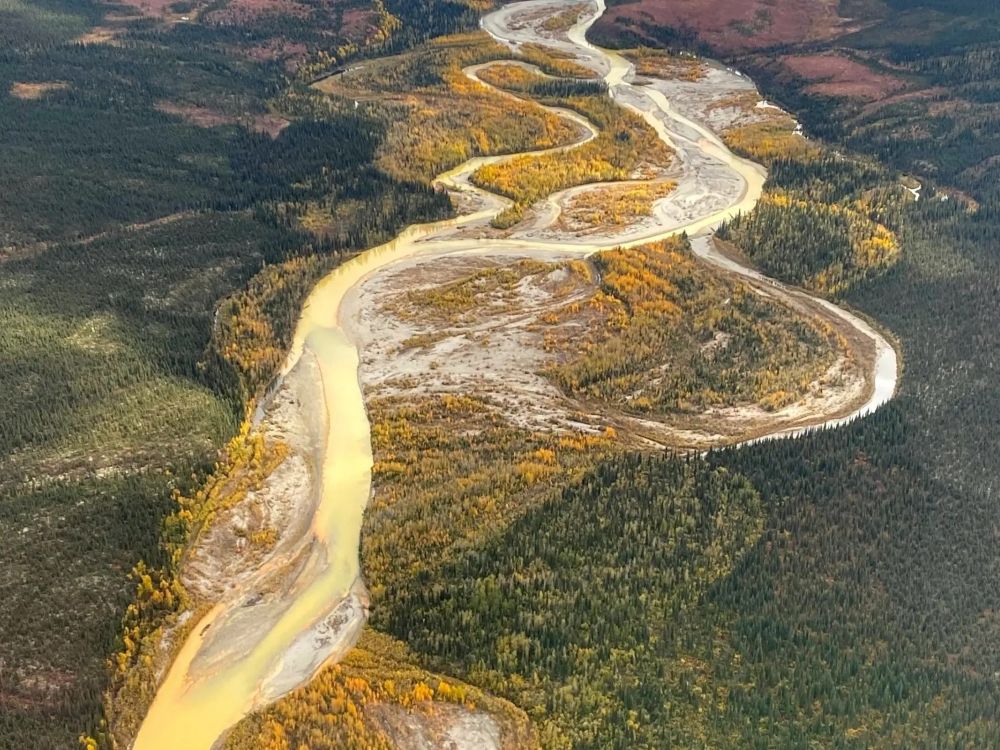
Climate change is accelerating the thawing of permafrost and increasing rainfall in the Arctic, leading to the production of sulfuric acid in rivers and lakes. This process, known as acid rock drainage, occurs when previously frozen minerals are exposed to oxygen and water, creating acidic conditions that can harm aquatic life and disrupt ecosystems. Scientists have observed rising acidity levels in Arctic waterways, raising alarms about the broader environmental and ecological impacts. The phenomenon is particularly pronounced in regions like Canada, Alaska, and Siberia, where permafrost is rapidly degrading. Researchers warn that continued warming could exacerbate acidification, threatening fish populations and indigenous communities that rely on these waters for sustenance. The findings underscore the cascading effects of climate change on remote and vulnerable ecosystems.
Global Impact
The acidification of Arctic rivers has significant environmental and economic implications. Ecologically, it threatens freshwater biodiversity, including key fish species that support both local subsistence and commercial fisheries.