Gulf States Struggle to Counter Iranian Influence in Iraq
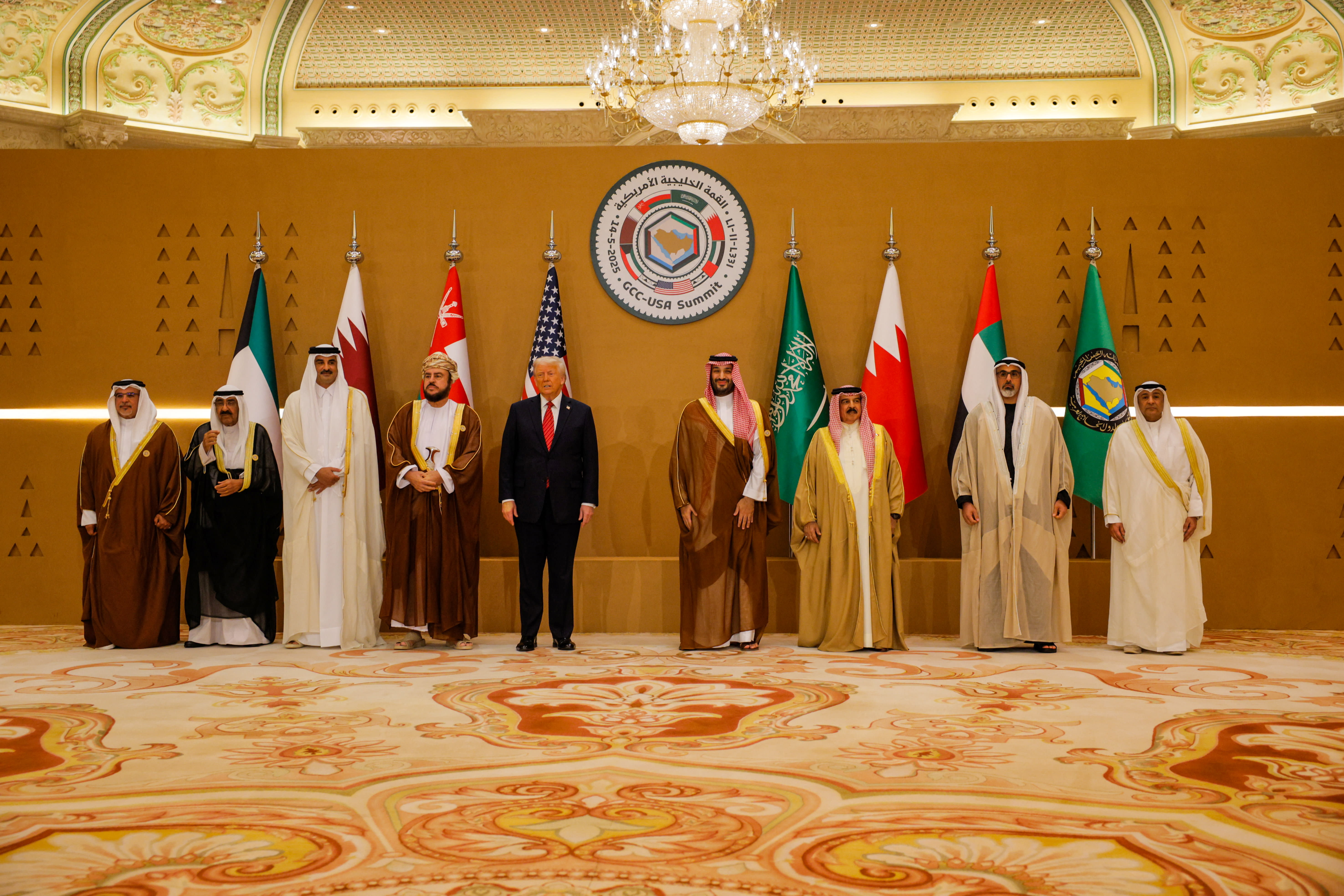
The Gulf states are seeking to end attacks originating from Iraq, but face a challenge in influencing Baghdad before Iran does. Recent expansion of attacks by Tehran toward the Gulf indicates a broader Iranian strategy, demonstrating how Iran has turned Iraq into a frontline for its operations. This geopolitical tension involves key players including Gulf Cooperation Council (GCC) countries, Iraq, Iran, and the United States. The attacks have targeted infrastructure and shipping in the Gulf region, raising concerns about regional stability and energy security. Iran's influence over Iraqi militias and political factions complicates efforts by Gulf states to secure commitments from Baghdad to curb these attacks. The situation underscores the ongoing proxy conflict between Iran and Gulf states, with Iraq serving as a battleground for influence.
Global Impact
The geopolitical dimension is paramount: Iran's use of Iraq as a launchpad for attacks on Gulf states deepens the regional proxy conflict, potentially drawing in the US and its allies. Economically, the threat to Gulf oil and gas infrastructure could disrupt global energy markets, raising prices and increasing insurance costs for shipping in the Strait of Hormuz.