Screwworm Outbreak in U.S. Cattle Sparks Debate Over Control Methods
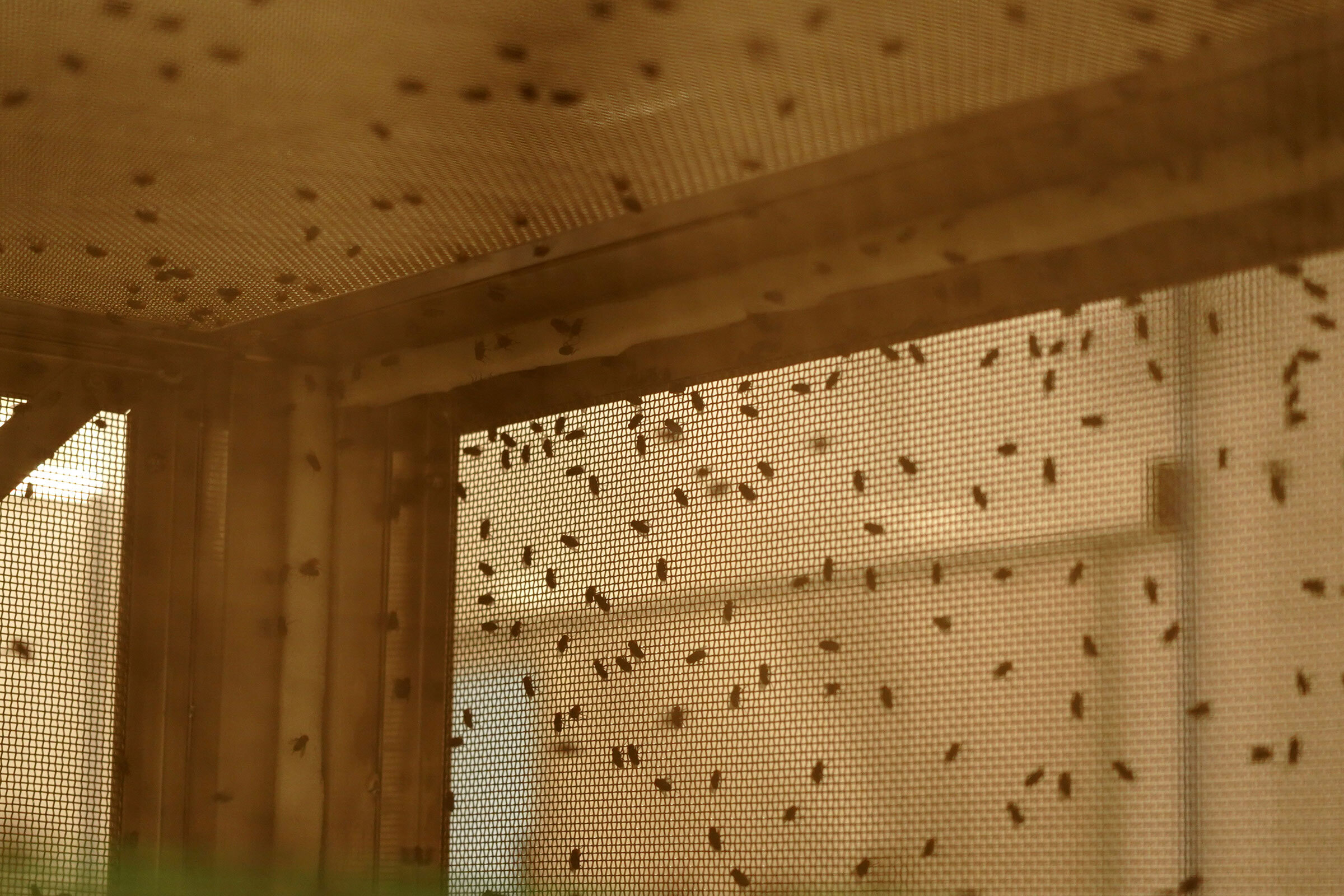
An outbreak of screwworm, a parasitic fly larvae infestation, has been detected in cattle in the United States, prompting conflicting approaches among authorities and stakeholders on how to manage and contain the spread. The New World screwworm (Cochliomyia hominivorax) lays eggs in open wounds of warm-blooded animals, and the larvae feed on living tissue, causing severe injury and death if untreated. The outbreak has raised concerns for livestock health and agricultural economic stability, particularly in affected regions. Officials are debating between traditional sterile insect technique (SIT) programs, which release sterilized male flies to reduce reproduction, and other control measures such as increased surveillance and quarantine. The U.S. Department of Agriculture (USDA) and state veterinary agencies are coordinating response efforts, but disagreements over funding and strategy have emerged. The situation highlights ongoing vulnerabilities in livestock disease surveillance and the need for unified action to prevent wider spread.
Global Impact
Economically, the outbreak could disrupt U.S. cattle exports if trading partners impose restrictions, affecting global beef supply chains and prices. Politically, the clash over control strategies may influence future funding for agricultural disease programs and interstate coordination.