US Climate Agency Confirms El Niño Arrival; Uncertainty Remains Over Whether Phenomenon Will Reach Record Strength
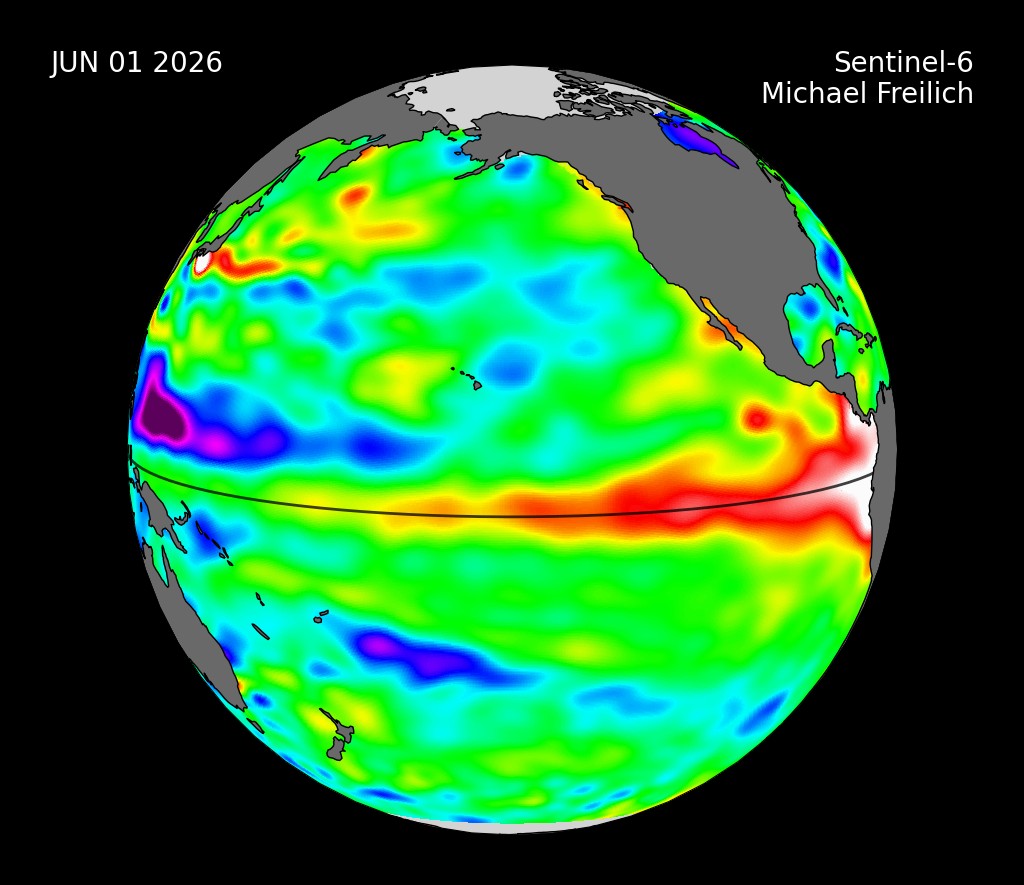
The U.S. National Oceanic and Atmospheric Administration (NOAA) confirmed on Thursday that El Niño conditions have formed in the equatorial Pacific Ocean, with expectations that the phenomenon will intensify during the Northern Hemisphere winter of 2026-2027. The confirmation follows months of gradual warming in the Pacific and projections of high probability, with NOAA estimating in May an 82% chance of development in the first half of 2026. The agency also assesses a 63% risk of a very strong episode this winter, according to Swiss outlet 24 heures. El Niño is associated with extreme weather events, including droughts, floods, and wildfires, threatening millions of people. The phenomenon previously contributed to 2024 being the hottest year since industrialization, as noted by Frankfurter Allgemeine Zeitung. Meteorologists warn of potential impacts on global agriculture, water supplies, and public health, with regional effects varying across continents.
Global Impact
Economically, El Niño can disrupt global food production, leading to price spikes and food insecurity in vulnerable regions, while also affecting energy demand and insurance markets. Politically, governments may face pressure to implement disaster preparedness and climate adaptation measures, potentially straining budgets.
Why this score
- Score
- 4.1/10
- Tier
- Standard
The article reports a major climate event (El Niño confirmation) with multiple credible international sources, but the fixed score of 41/100 and Standard tier reflect moderate newsworthiness and routine coverage without exclusive or investigative depth.
Across the sources
Agreed
- NOAA confirmed the formation of El Niño conditions.
- El Niño is expected to intensify during the Northern Hemisphere winter of 2026-2027.
- There is uncertainty about whether the phenomenon will reach record strength.
Single-outlet claims
- 24 heures (Suisse)
- The risk of a very strong episode this winter is estimated at 63%.
- Frankfurter Allgemeine Zeitung
- El Niño contributed to 2024 being the hottest year since industrialization.
- O Globo
- El Niño brings risk of extreme heat, floods, droughts, and wildfires.
- Folha de S.Paulo
- The article explains what El Niño is and its potential effects on Brazil.
Source bias
- Center
- 5
- Rated outlets
- 5
Sources on this story
- Total
- 11 sources
Score in context
| Story | Score | Tier | Date |
|---|---|---|---|
| UN Probe Says Foreign Support and Drones Fuel Sudan War Crimes | 9.7 | Civilization | September 3, 2026 |
| Nepal begins burials as flood death toll rises to 752 | 9.7 | Civilization | August 30, 2026 |
| Russia Says It Downed 456 Ukrainian Drones Overnight, Several Killed | 9.7 | Civilization | August 10, 2026 |
| France Issues Orange Alerts for Six Departments as September Heatwave Tops 39°C | 4.1 | Standard | September 6, 2026 |
| Orange alert for heavy rain in eastern UP, monsoon intensity expected after low rainfall in August | 4.1 | Standard | August 31, 2026 |