Oil Prices Remain Stable Despite Middle East Escalation
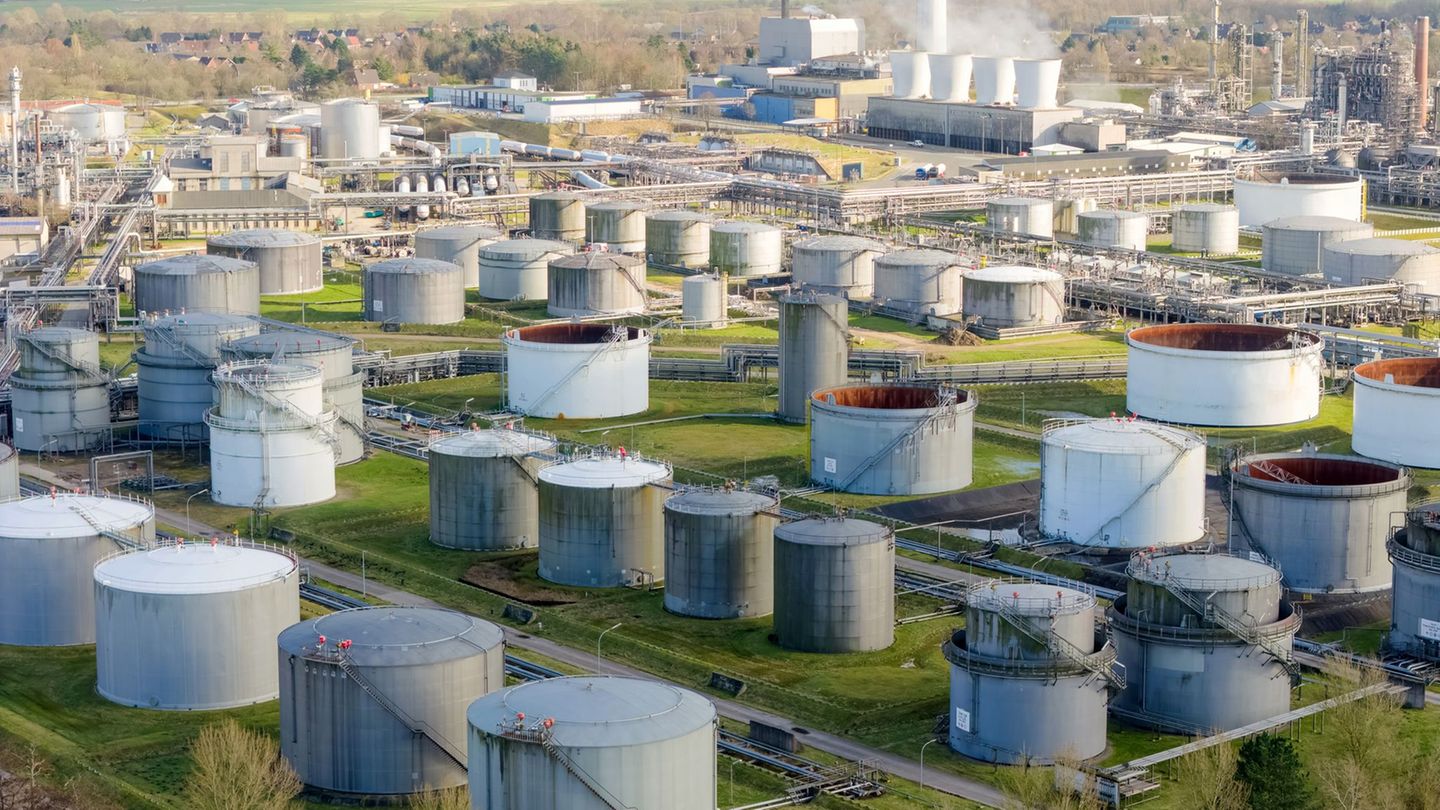
Despite escalating tensions in the Middle East, including US-Iran hostilities and threats to close the Strait of Hormuz, Brent crude oil prices have remained surprisingly stable, trading below $100 per barrel since late May. This contrasts sharply with the early phase of the Iran conflict in late February, when the de facto closure of the Strait of Hormuz drove Brent prices from around $75 to about $120 per barrel in March. The article suggests that the traditional mechanism of geopolitical risk driving oil price spikes has weakened, possibly due to increased global supply, strategic reserves, or market expectations of de-escalation. The stability persists even as mutual attacks between the US and Iran continue, indicating a shift in market dynamics. Analysts are monitoring whether this calm reflects a new equilibrium or a temporary lull before a potential price surge.
Global Impact
Economically, stable oil prices provide relief for import-dependent economies and central banks fighting inflation, reducing the need for aggressive rate hikes. Geopolitically, the market's indifference could embolden further escalation by the US and Iran, as the economic cost of conflict appears contained.
Source bias
- Center
- 2
- Rated outlets
- 2
Sources on this story
- Total
- 2 sources
- Stern
- Handelsblatt
Score in context
| Story | Score | Tier | Date |
|---|---|---|---|
| Shell profits double as oil prices rise due to Iran war | 9.9 | Civilization | July 30, 2026 |
| Iran Rejects U.S. Cease-Fire Offer Delivered by Iraq | 9.9 | Civilization | July 24, 2026 |
| Iran Completely Closes Strait of Hormuz Until Further Notice | 9.9 | Civilization | June 11, 2026 |
| Iran closes Strait of Hormuz to all vessel passage | 9.9 | Civilization | June 11, 2026 |
| Iran Closes Strait of Hormuz After Retaliatory Missile Strikes on US Bases | 9.9 | Civilization | June 11, 2026 |