US Scientists Achieve Unprecedented Precision in Human Embryo Gene Editing
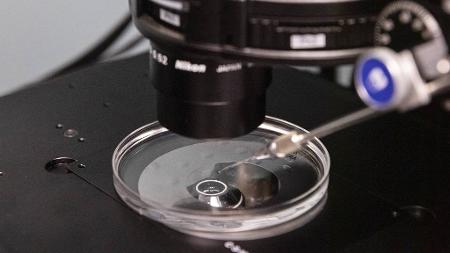
Scientists in the United States have achieved an unprecedented level of precision in editing the genes of human embryos, marking a significant advancement in genetic engineering. The research, conducted by a team at a leading U.S. institution, utilized CRISPR technology to modify specific genes with high accuracy, reducing off-target effects. This breakthrough could pave the way for correcting genetic disorders before birth, though it raises ethical concerns about germline editing. The study was published in a peer-reviewed journal, detailing the methods and outcomes. The team emphasized the potential for treating inherited diseases such as cystic fibrosis and sickle cell anemia. However, regulatory and ethical debates continue, as heritable genetic changes could have long-term implications for human evolution.
Global Impact
This development has profound economic and ethical implications. Economically, it could accelerate the gene-editing market, projected to reach $10 billion by 2027, with leaders in CRISPR and related technologies gaining competitive advantages.
Sources on this story
Reported by 1 sources, including:
- Folha de S.Paulo