Middle East Media Divided Over Iran Nuclear Crisis and Ceasefire Talks
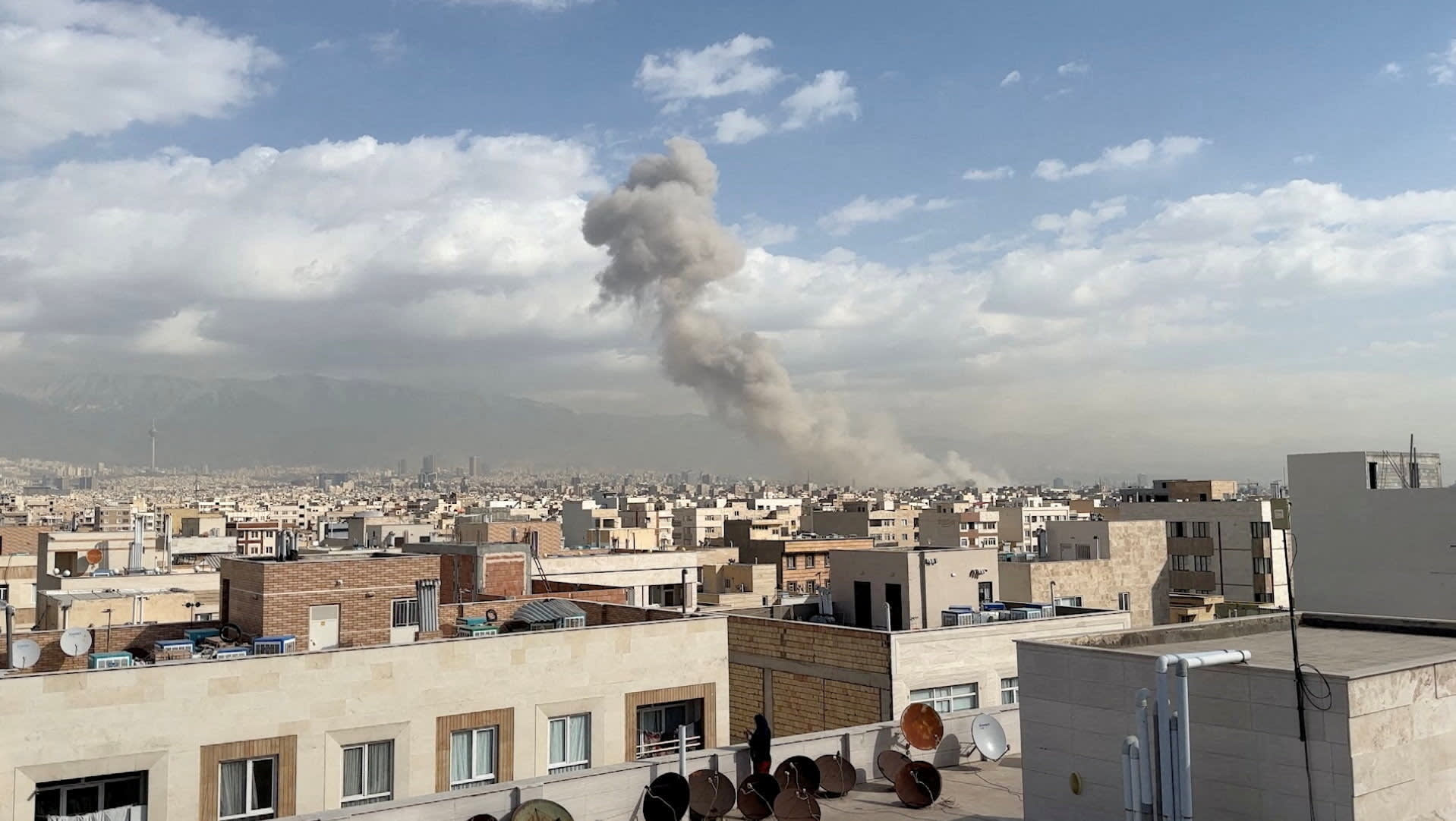
Middle East media coverage reveals sharp divisions over Iran's nuclear program, the Strait of Hormuz crisis, President Trump's diplomacy, and responsibility for the widening confrontation. The Guardian reports that Iran has threatened a 'painful' response to Israeli strikes on southern Beirut, escalating tensions in the region. The crisis has drawn in multiple actors, with ceasefire talks ongoing but fragile. The nuclear issue remains a core point of contention, with Iran's program at the center of international concern. The Hormuz crisis adds a maritime dimension, threatening global oil shipping lanes. Media outlets across the region differ on who bears responsibility, reflecting broader geopolitical fault lines. The situation continues to evolve, with no clear resolution in sight.
Global Impact
Economically, the crisis threatens global oil supply through the Strait of Hormuz, a chokepoint for about 20% of world oil consumption, potentially driving up energy prices and inflationary pressures worldwide. Politically, the confrontation tests US diplomacy under President Trump, with ceasefire efforts balancing between Israel and Iran.
Why this score
- Score
- 4.0/10
- Tier
- Standard
The article evidence shows a mix of reporting from two outlets on a complex regional crisis, but the supplied fixed score of 40/100 and tier of Standard indicate that the coverage is only partially comprehensive, lacking depth or balance in addressing the full scope of the nuclear and ceasefire issues.
Source bias
- Left
- 1
- Center
- 1
- Rated outlets
- 2
Sources on this story
- Total
- 2 sources
Score in context
| Story | Score | Tier | Date |
|---|---|---|---|
| Nepal begins burials as flood death toll rises to 752 | 9.7 | Civilization | August 30, 2026 |
| Russia Says It Downed 456 Ukrainian Drones Overnight, Several Killed | 9.7 | Civilization | August 10, 2026 |
| Plane crash in Peru kills 13, including 7 Italians | 4.0 | Standard | August 2, 2026 |
| Wildfires in France and Greece Force Evacuations, Disrupt Tourism | 4.0 | Standard | August 2, 2026 |
| Ukraine Tightens Siege on Crimea: Roads and Bridges Cut, Fuel Shortages Reported | 4.0 | Standard | June 20, 2026 |