US Allies Move to Diversify Ties Amid Fears of Long-Term American Isolationism
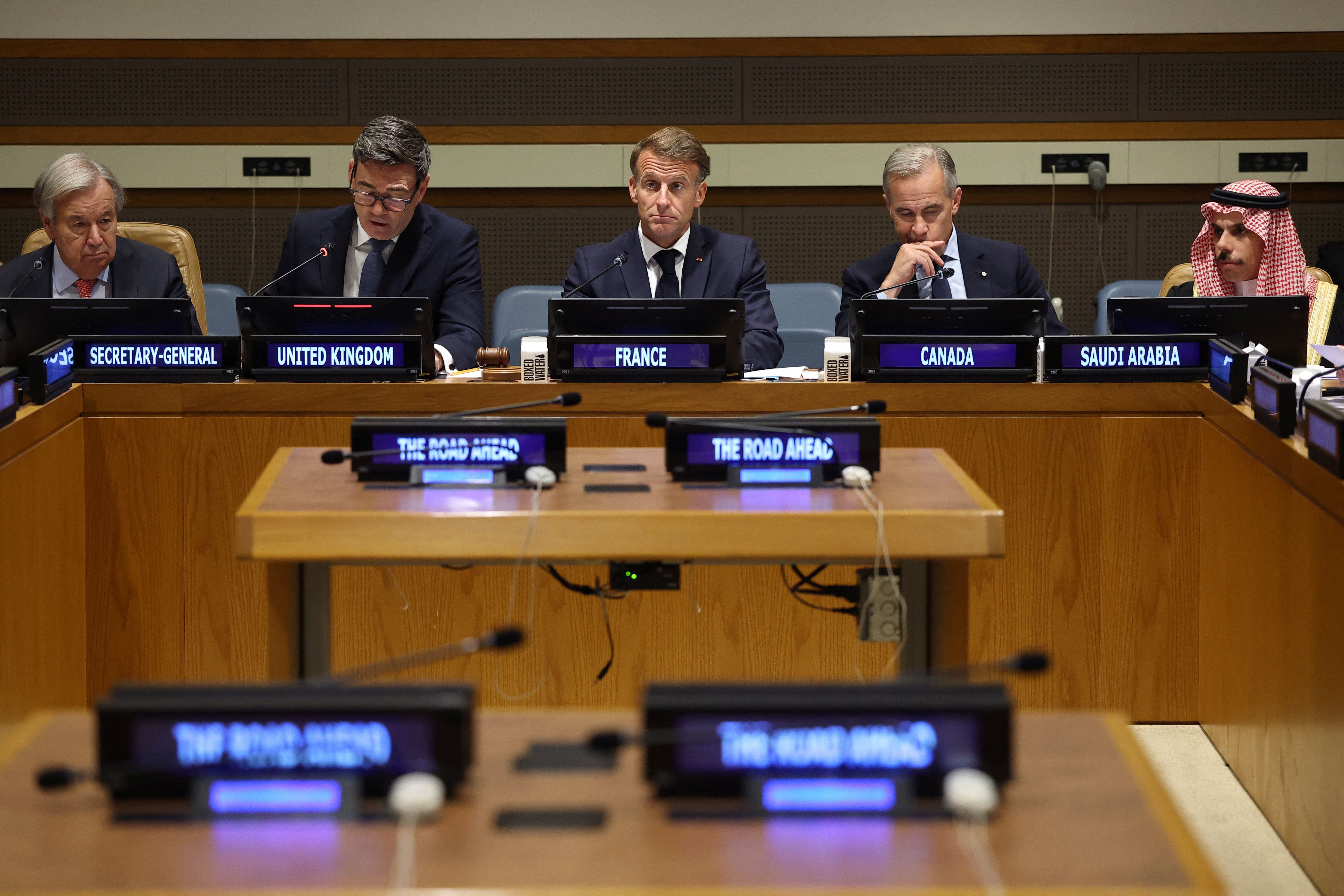
Longtime US allies are moving to reduce their dependence on Washington amid growing expectations that America's isolationist and protectionist turn will outlast President Donald Trump's time in office. Canadian Prime Minister Mark Carney told The Wall Street Journal he is open to trade negotiations with Washington to end the tariff war between the two countries, but said Ottawa would still pursue diversification of its global trade ties. Separately, a Belgian foreign ministry document reviewed by the Financial Times warned that US political dynamics are "likely to compromise several vital interests" of the European Union. The Christian Science Monitor framed the broader trend as a "new West," describing how US allies are finding ways to cope with the Trump administration. The reporting reflects a diffuse coalition of middle powers — including Canada and EU member states — recalibrating their foreign and economic policies in response to the US-China standoff and Washington's shifting priorities. The moves signal that allies are not merely reacting to a single administration but preparing for a structural, long-term shift in US foreign policy.
Global Impact
Geopolitically, the shift marks a gradual erosion of US-led alliance cohesion, with middle powers like Canada, Belgium, and other EU states building alternative trade and security frameworks that could outlast the current US administration. Economically, diversification away from US markets could redirect trade flows, investment, and supply chains toward Asia-Pacific and intra-EU arrangements, slowly reducing the dollar's centrality in allied commerce.
Why this score
- Score
- 4.3/10
- Tier
- Standard
The article draws on reporting from established outlets like The Wall Street Journal, Financial Times, and Christian Science Monitor, with multiple sourced perspectives on allied diversification, supporting a Standard tier. The evidence is credible and specific but limited to a handful of outlets and a summary, which is consistent with a mid-range score of 43/100.
Across the sources
Agreed
- US allies are seeking to reduce dependence on Washington
- Allies expect America's isolationist shift to outlast Trump's presidency
Single-outlet claims
- The Christian Science Monitor
- Frames the trend as a 'new West' in which US allies are finding ways to cope with the Trump administration
Source bias
- Center
- 1
- Rated outlets
- 1
Sources on this story
- Total
- 2 sources
Score in context
| Story | Score | Tier | Date |
|---|---|---|---|
| Commentator Criticizes Ben Gvir Plan to Remove Palestinians From Gaza | 8.6 | Era-defining | September 9, 2026 |
| UN Report: Half of Afghan Women Confined to Homes as Taliban Restrictions Worsen | 8.6 | Era-defining | August 12, 2026 |
| Israel and Venezuela Rebuild Ties Through Humanitarian Aid | 8.6 | Era-defining | August 12, 2026 |
| Trump to Address U.N. and Sign Greenland Security Deal as Annual Session Opens | 4.4 | Standard | September 22, 2026 |
| Trump Defends Military Action Against Iran at UN, Threatens Annihilation | 4.4 | Standard | September 22, 2026 |