SpaceX Rocket Stage Crashes Into Moon, Creating 20-30 Meter Crater
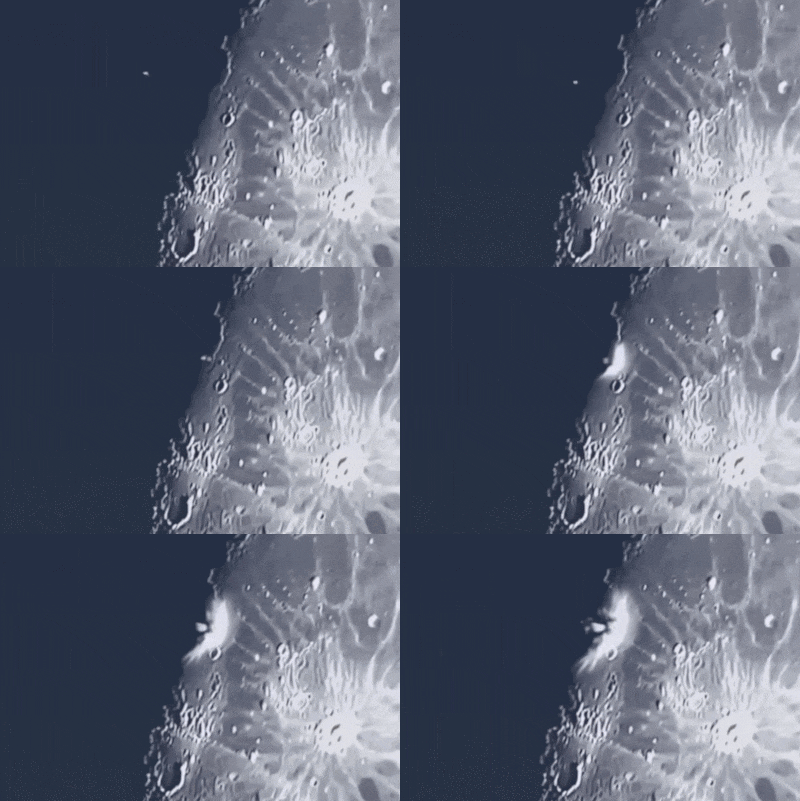
A discarded upper stage of a SpaceX Falcon 9 rocket is reported to have crashed into the Moon on Wednesday morning, creating a crater estimated to be 20 to 30 meters in diameter. The impact was predicted by astronomers and space debris trackers, who had been monitoring the rocket stage's trajectory since it was launched in 2015 to deploy a deep space climate observatory. Space engineer Stijn Ilsen called the crash scientifically interesting, as it offers a rare opportunity to study the Moon's subsurface composition, but warned that such uncontrolled impacts should not become routine due to the growing problem of space debris. The event highlights the increasing need for international regulations on the disposal of rocket stages and other orbital debris. No official confirmation from SpaceX or space agencies has been released yet, but the incident underscores the risks and opportunities posed by the growing volume of objects in Earth's orbit and beyond.
Global Impact
Economically, the crash highlights the need for investment in space situational awareness and debris removal technologies, creating opportunities for companies in those niches. Politically, it may spur international discussions on space debris management and the enforcement of existing guidelines, potentially leading to new treaties or regulations.
Why this score
Neat Digest rated this story 4.4/10 — Standard tier.
This event is a notable scientific and space-policy milestone, but it is not civilization-altering or era-defining. It falls in the Significant tier due to its scientific value and the precedent it sets for space debris management, though its direct impact on daily life is limited.
Sources on this story
Reported by 4 sources, including:
- The Times of India
- HLN (Het Laatste Nieuws)
- The Jerusalem Post
- Google News