Europe Faces Rising Health and Economic Costs from Desert Dust
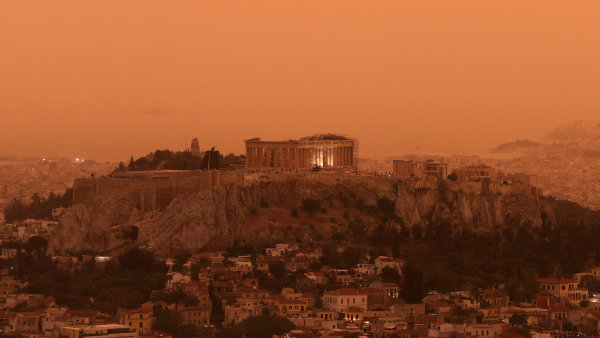
A decade-long dataset from over a hundred European monitoring stations reveals a rising trend of desert dust events, turning skies orange and posing growing health and economic challenges. The dust, originating from the Sahara and other arid regions, travels thousands of kilometers, carrying not only mineral particles but also microbes that can affect ecosystems and human health. The increasing frequency and intensity of these events are linked to climate change and land-use practices, which exacerbate desertification and dust mobilization. Health impacts include respiratory and cardiovascular issues, particularly for vulnerable populations, while economic costs stem from increased healthcare burdens, reduced solar energy efficiency, and disruptions to transportation and agriculture. The data underscores the need for cross-border cooperation and adaptation strategies to mitigate the effects of this transboundary environmental hazard.
Global Impact
This trend has significant environmental and economic implications for Europe, as desert dust events become more frequent due to climate change. Politically, it may spur international cooperation on desertification and air quality management, given the transboundary nature of dust.
Why this score
Neat Digest rated this story 4.2/10 — Standard tier.
This story is a significant regional environmental and health issue with clear economic spillovers, but it is not a sudden disaster or policy shift; it is a gradual trend with accumulating impact, placing it in the Significant tier.
Sources on this story
Reported by 1 sources, including:
- 未知