Former Israeli Official Says Iran Sees Strategic Edge in Hormuz Standoff
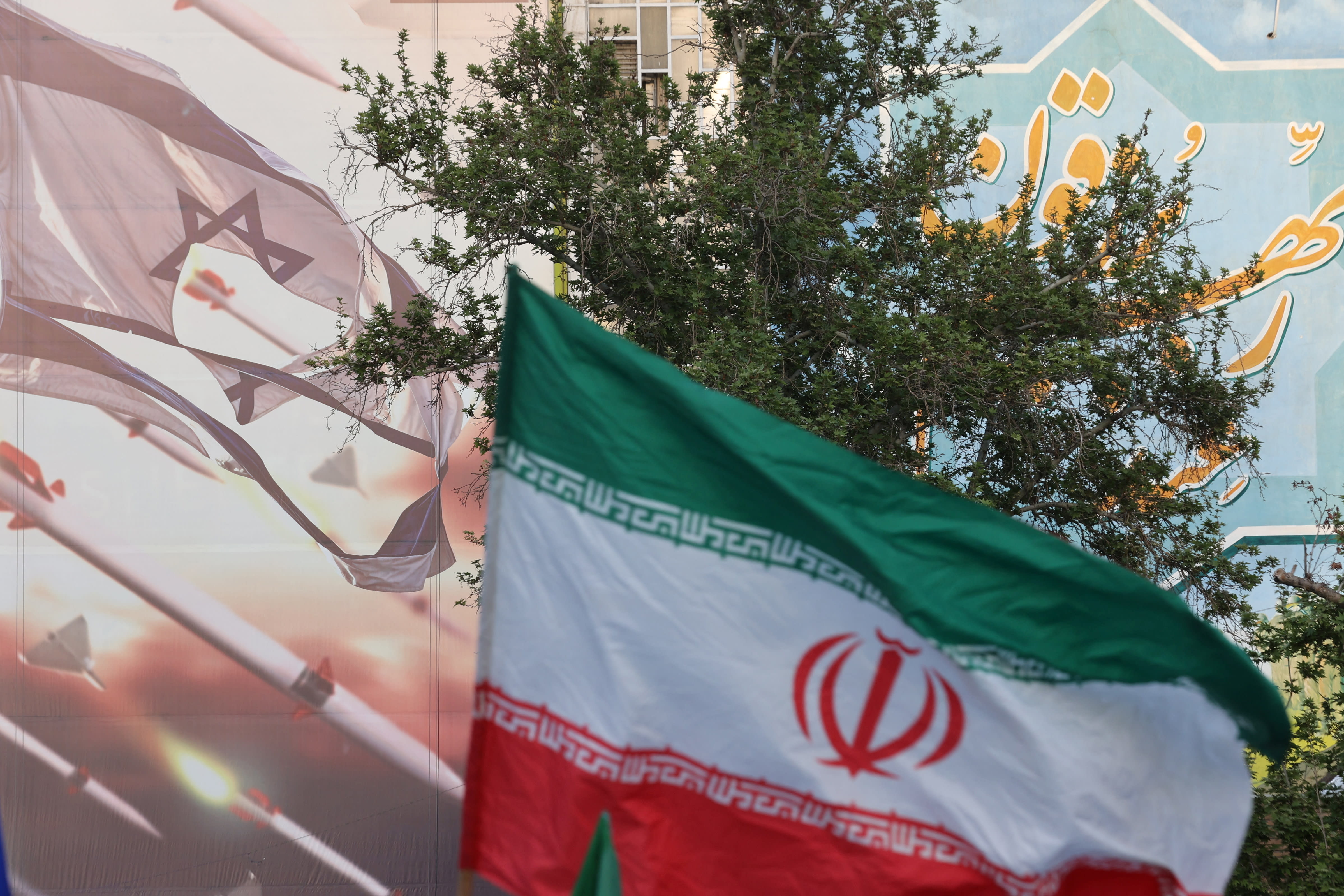
Avner Vilan, a former Israeli security official, stated that Iran perceives a strategic advantage in its ability to control the Strait of Hormuz and withstand heavy damage, which it believes would allow continued regional pressure even after US strikes. The comments come amid heightened tensions between the US and Iran, with President Trump reportedly seeking to avoid a broader war. Vilan's analysis suggests that Tehran's resilience and chokehold on a key global oil transit route give it leverage in any military confrontation. The remarks highlight the complex strategic calculus facing both Washington and Tehran, where military action could have far-reaching consequences for energy markets and regional stability. No specific timeline or immediate events were cited, but the context points to ongoing diplomatic and military posturing.
Global Impact
Geopolitically, the standoff underscores Iran's asymmetric leverage via the Strait of Hormuz, which carries about 20% of global oil supply, making any disruption a systemic energy shock. Economically, a conflict could push oil prices to triple-digit levels, stoking global inflation and forcing central banks to reassess rate paths.
Why this score
Neat Digest rated this story 7.9/10 — Major tier.
This is a significant geopolitical analysis from a former Israeli security official, touching on a potential US-Iran conflict with global energy implications, but it is commentary rather than an event itself, so it lands at the Significant tier's lower end.
Source bias
Political lean of the 1 rated outlet covering this story: Center 1.
Sources on this story
Reported by 1 sources, including:
- The Jerusalem Post