Local H5N1 Transmission Confirmed in Birds and Sea Lions
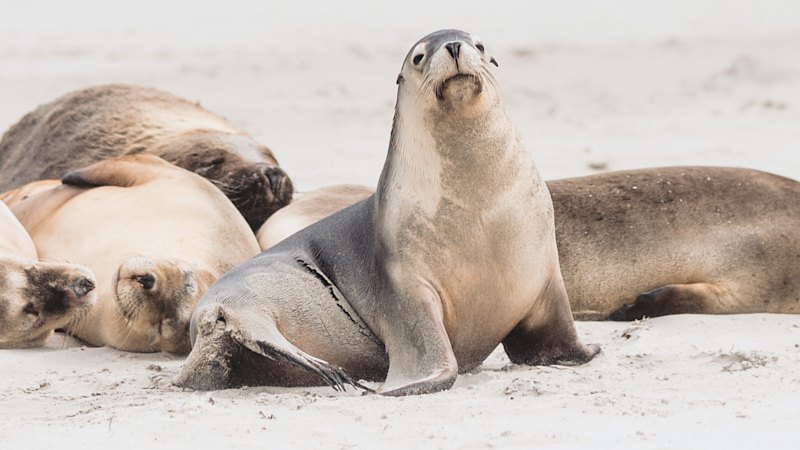
Local transmission of the H5N1 avian influenza virus has been confirmed among birds and sea lions, prompting authorities to take protective measures for endangered sea lion populations. The outbreak has raised concerns about the virus's spread to marine mammals, with officials monitoring the situation closely. The affected area is not specified in the report, but the confirmation of local transmission marks a significant step in understanding the virus's ecology. The H5N1 strain has historically caused high mortality in poultry and sporadic human infections, but its jump to sea lions is a new development. Authorities are working to contain the spread and protect vulnerable species, though no human cases have been reported in this instance.
Global Impact
The confirmation of H5N1 transmission to sea lions has significant ecological and public health implications. Ecologically, it threatens already endangered sea lion populations and could disrupt marine food chains.
Why this score
Neat Digest rated this story 4.3/10 — Standard tier.
Significant tier: The confirmation of H5N1 local transmission to a new mammalian host (sea lions) is a notable scientific and public health development with potential for broader ecological and pandemic implications, but it is not yet at the scale of a major outbreak or policy shift.
Sources on this story
Reported by 2 sources, including:
- The Age
- The Sydney Morning Herald