Western Cape scrambles to implement climate strategies after catastrophic floods
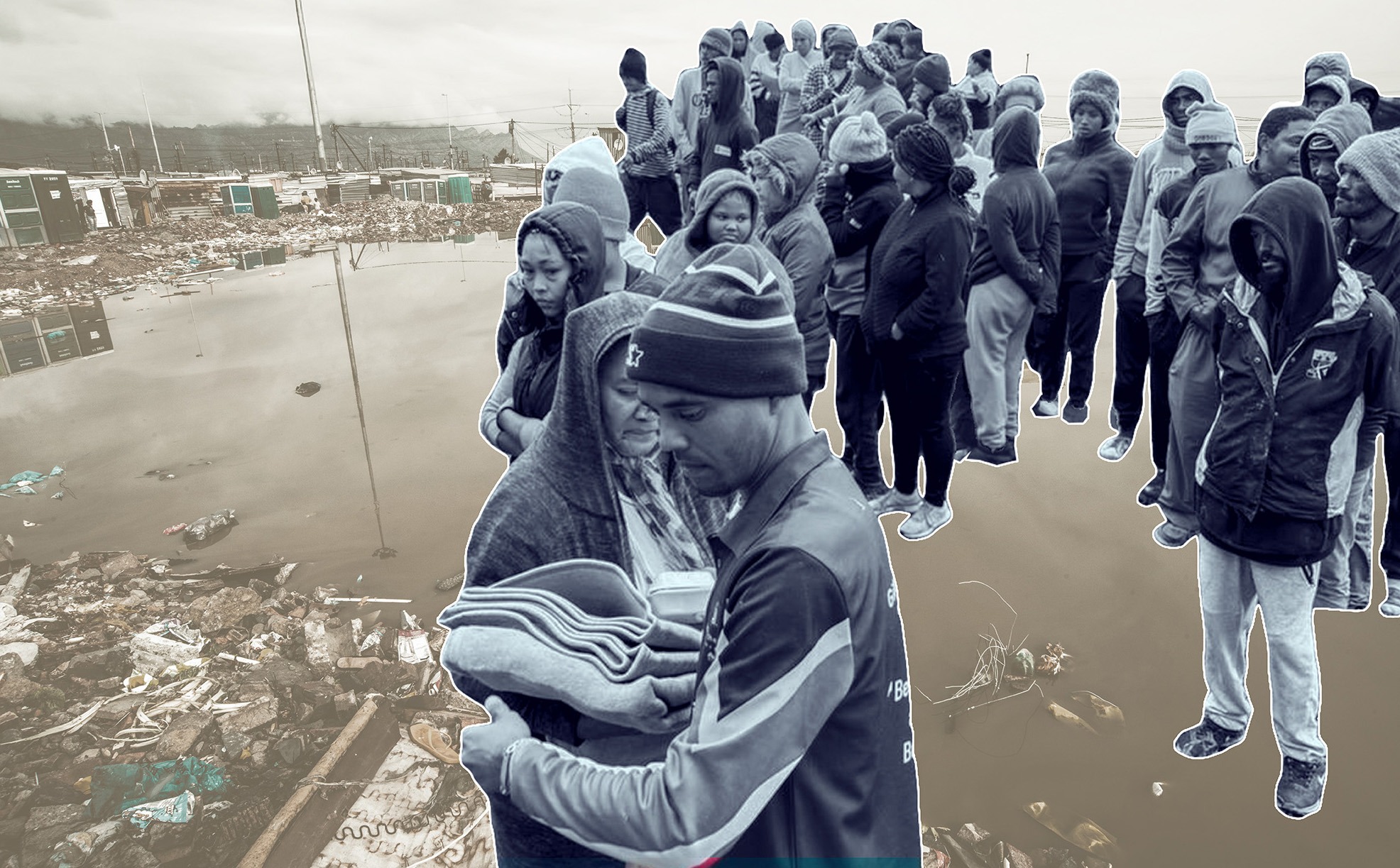
Months after catastrophic floods struck South Africa's Western Cape in May, residents are still recovering from the disaster that left them living in waist-deep water for three weeks. The floods caused widespread damage to infrastructure, homes, and agriculture, with local government facing significant funding shortfalls as it attempts to implement climate-responsive strategies. The provincial government is grappling with the scale of the recovery effort, which includes rebuilding roads, bridges, and water systems, while also developing long-term adaptation plans to mitigate future climate-related disasters. Officials have acknowledged that the current budget is insufficient to cover both immediate relief and the necessary resilience measures. The event has highlighted the vulnerability of the region to extreme weather, which scientists link to climate change, and has sparked debate about the pace and funding of adaptation efforts in South Africa.
Global Impact
Economically, the floods have strained South Africa's already tight fiscal position, potentially increasing the cost of borrowing for the Western Cape and other vulnerable provinces. Politically, the disaster has intensified pressure on the national government to accelerate climate adaptation funding, which could set a precedent for other developing nations facing similar challenges.
Why this score
Neat Digest rated this story 5.8/10 — Significant tier.
Standard tier: regional disaster with significant humanitarian and fiscal impact, but contained to one province and not reaching the mass-casualty or trillion-dollar disruption thresholds of Major events.
Source bias
Political lean of the 1 rated outlet covering this story: Left 1.
Sources on this story
Reported by 1 sources, including:
- Daily Maverick