US Adopts Selective Interception Strategy to Manage Missile Defense Stockpiles
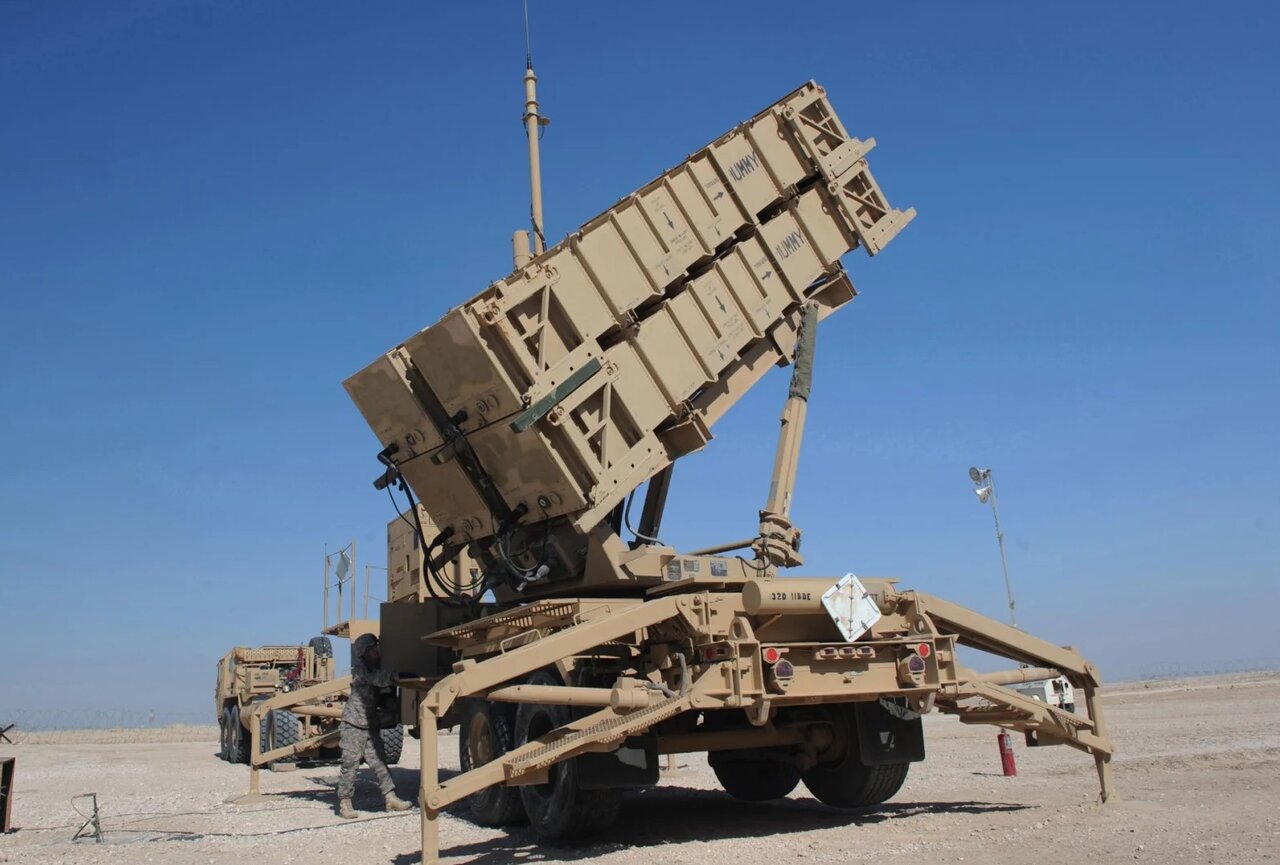
Amid US efforts to deny a depletion of its missile defense stockpiles, American media and officials have disclosed the adoption of a 'selective interception' strategy to manage weapons reserves in the face of Iranian missile and drone threats. The report details Iran's methods for countering US defense networks, including the use of decoys, saturation attacks, and electronic warfare to overwhelm and erode the effectiveness of American interceptors. This disclosure comes as the White House faces scrutiny over the sustainability of its defense supplies, particularly after recent engagements in the Middle East. The article highlights a shift in US tactical doctrine from blanket defense to prioritized targeting, reflecting resource constraints. Iranian strategies aim to exploit this vulnerability by forcing costly defensive responses, potentially altering the balance of power in regional conflicts.
Global Impact
The disclosure has immediate geopolitical implications, as it reveals US resource constraints that could embolden Iran and its proxies in the region. Economically, it may drive increased defense spending by the US and its allies, benefiting the defense industrial base but straining budgets.
Why this score
Neat Digest rated this story 5.9/10 — Significant tier.
Significant tier: This story reveals a doctrinal shift in US missile defense strategy with direct implications for regional military balance and defense spending, but it is a disclosure of existing methods rather than a new event, limiting its immediate global impact.
Source bias
Political lean of the 1 rated outlet covering this story: Right 1.
Sources on this story
Reported by 1 sources, including:
- Hamshahri